Itiwanu ankunyangka puṉṯaṟungku tjaṉpinguṟu pakaṟa urulytjingalpai.
When (one) walks close by the button quail flies out of the grass giving you a shock.
Tjuḻpu luuṉpa wangkanyangkala kulilpai, “Munta kuwari kuḻiringanyi.”
When we hear the red-backed kingfisher’s call we think, “Oh, it’s going to get hot now.”
Kirkitjaṟutjaṟungku ngampu uṟilta tjunkula ila ngaṟala anga-pikaringkupai.
The banded lapwing lays its eggs outside on the ground and protects them by walking around close by.
Wati tjuṯangku kaḻaya ngalya-tukulmankunyangka kuliṟa paṯaṟa wakalpai.
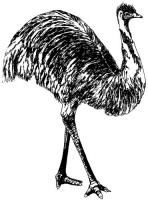
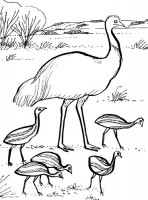
When the men hear emus coming toward them making a booming sound they wait and spear them.